

For Homes
Back
Back
Solar Guidebook
Learnings and Inspiration
Back
About Newport Solar
Back

Our Blog
Our Articles
Sort
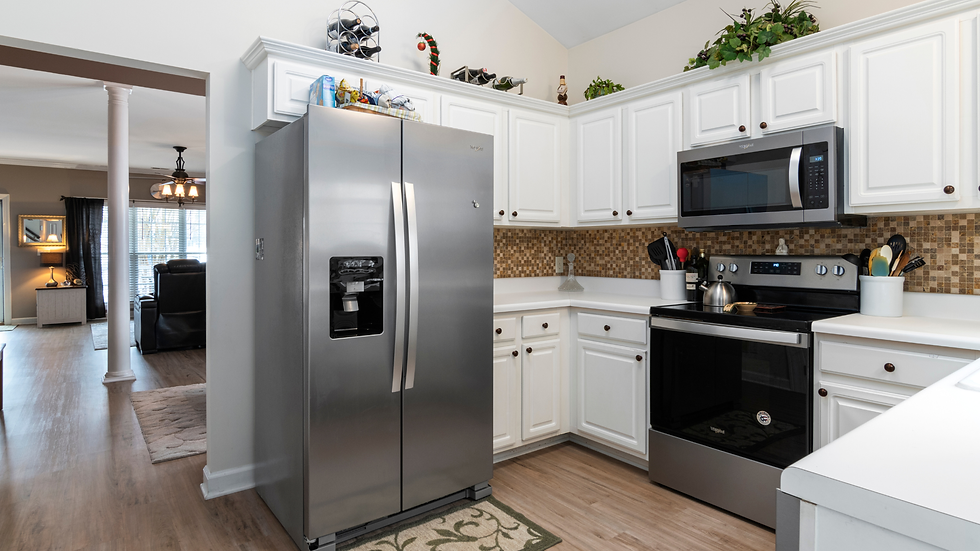
Will My Battery Keep My Fridge and Well Pump Running During an Outage?
When the power goes out, keeping the fridge cold is important. If your home relies on a private well, keeping the well pump running can be just as crucial. A properly designed home battery system may power both your fridge and well pump during an outage, but simply having a battery does not guarantee that your well pump will work. Well pumps can require a large burst of power when they start, and your battery system needs to be capable of handling that demand. Here are the factors that...

Do I Have to Pay Sales Tax on Solar Panels in Rhode Island?
Wondering whether you pay sales tax on solar panels in Rhode Island? The short answer is “no” for the solar panels themselves. Rhode Island exempts solar panels and other solar equipment from its 7% sales tax, but not every cost associated with a solar installation qualifies. This guide breaks down what Rhode Island General Laws exempt from sales tax, how that exemption applies to solar projects, and which equipment or costs may still be taxable, so you know what to expect before signing a...

Buying vs Leasing Solar in Rhode Island: Pros & Cons
Choosing between buying vs leasing solar in Rhode Island is an important step when deciding to go solar. Solar can help you mitigate the rising electricity costs in Rhode Island, but choosing the right financing option is just as important as choosing the panels on your roof. The four main solar financing options are cash, solar loan, lease, and Power Purchase Agreement (PPA). If you’re thinking about buying vs. leasing solar in Rhode Island, this guide will explain each type of solar...

Fleet EV Charging For Rhode Island Businesses: Costs, Incentives, and ROI
More Rhode Island businesses, municipalities, and nonprofits are adding electric vehicles to their fleets. As organizations make that transition, charging infrastructure becomes part of the planning process alongside the vehicles themselves. The right setup depends on how many vehicles you have, where they park, how far they travel, and when they need to charge. Understanding those factors early can help businesses make informed decisions before equipment is purchased or installation begins....

Solar on Historic Homes in Rhode Island: What Newport and Providence Homeowners Need to Know
Solar Panels on Historic Homes in Rhode Island: Newport and Providence Guidelines Solar may be possible on a historic home in Rhode Island, but the design and approval requirements depend on the property. Historic designation, roof visibility, roofing material, structural condition, and electrical capacity can all affect what is allowed and practical. This guide explains the current historic district guidelines in Newport and Providence, the design factors that affect panel placement, and...

Level 2 EV Charger Installation In Rhode Island: What To Expect and What It Costs
A Level 2 EV charger can provide faster and more convenient charging at home, at work, or at a commercial property. Installation requirements vary from one site to another. Electrical capacity and charger location can affect the scope of the project, as can the equipment selected, permitting requirements, or electrical upgrades that may be needed. At Newport Solar, we look at EV charging as part of the property’s overall electrical system. If the property already has solar or battery storage,...

Coastal Solar in Rhode Island: What Salt Air and Storms Mean For Your System
Rhode Island is known for its beautiful coastline. If you're a homeowner or commercial property owner considering solar, you may have questions about how coastal conditions affect your system's performance, longevity, and reliability. Coastal solar in Rhode Island requires a different approach than a standard inland installation. Understanding the unique challenges of a coastal environment helps property owners make informed decisions about system design, equipment selection, and long-term...

Solar + Battery Backup: How Rhode Island Homeowners Stay Powered Through Storms
Rhode Island's coastal geography and weather patterns put power outages on the minds of homeowners year-round. Solar paired with battery backup is quickly becoming a popular option among Rhode Island homeowners for keeping the lights on when grid power goes out due to a nor'easter, tropical storm or random summer outage. We cover how solar battery backup systems operate, what to expect during an outage, and available Rhode Island incentives that can help reduce the cost of adding storage to...

- Page 1


